

Injection Molding Plastic
Our plastic injection molding service supports the manufacture of parts in a range of molding materials. These include rigid plastics like ABS, flexible plastics like TPE, and mixed materials like PC-ABS. We can also obtain specialty materials and create custom material and pigment blends to suit your order.
Rigid plastics
The majority of injection molded parts are made from rigid thermoplastics. These include inexpensive and versatile plastics like ABS and PP, as well as naturally transparent plastics like PC and acrylic and high-strength plastics like POM. Other rigid plastics for injection molding include nylon, PET, and PS.
Composites
Injection molding pellets can also be mixed with non-plastics, leading to composite injection molding materials. Such composites include glass-filled polyamide, which is very hard and strong with good creep resistance, and glass-filled polycarbonate, which offers high strength and stiffness with low thermal expansion.
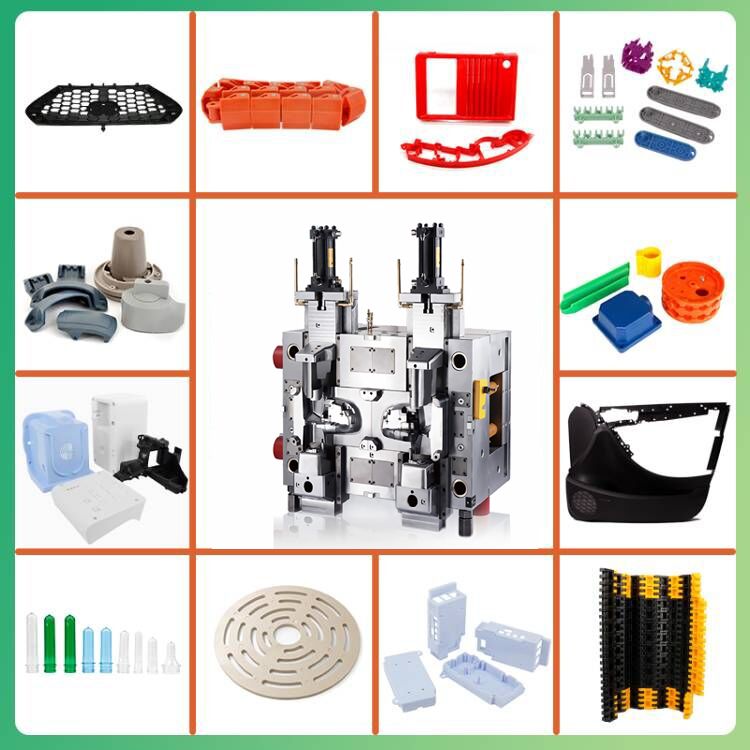
Plastic Injection Molding Finishes
The most convenient way to apply surface finishes to moldings is to perform any necessary finishing on the metal mold. In this way, we can give the moldings different surface finishes such as matte, high-gloss, and various textures. Secondary finishes - applied to the finished moldings - are also an option.
Matte
Plastic injection molding companies like Guangdong Enineering Pastics Industries (Group)Co. Ltd. can give a consistent matte finish to plastic injection molded parts - soft grip handles, for example - by carrying out techniques like sandblasting,chemical etching and EDM on the metal mold. The surface roughness of matte moldings typically ranges between 0.40 and 18.00 Ra um.
Gloss
It is possible to make high-shine molded parts with a gloss finish — electronics housings, for example — using post-processing techniques like sanding, polishing, and diamond buffing. The lowest level of surface roughness for acrylic molded parts is around 0.012 Ra µm.