

Learn More About Plastic Injection Molding
What is plastic injection molding
Plastic injection molding is a manufacturing process mainly used to make plastic parts in large quantities. Used by many industries for a wide variety of parts, plastic injection molding produces more thermoplastic parts per year than any other plastic manufacturing process.
The plastic injection process requires a metal mold and an injection molding machine. Plastic pellets are heated to melting point, then forced into the mold, where the material cools and soldifies, assuming the shape of the mold cavity.
The most common materials for plastic injection molding are thermoplastics such as ABS, nylon, and acrylic. However, it is also possible to mold thermosets and elastomers.
FAQs
What plastics can you use with injection molding?
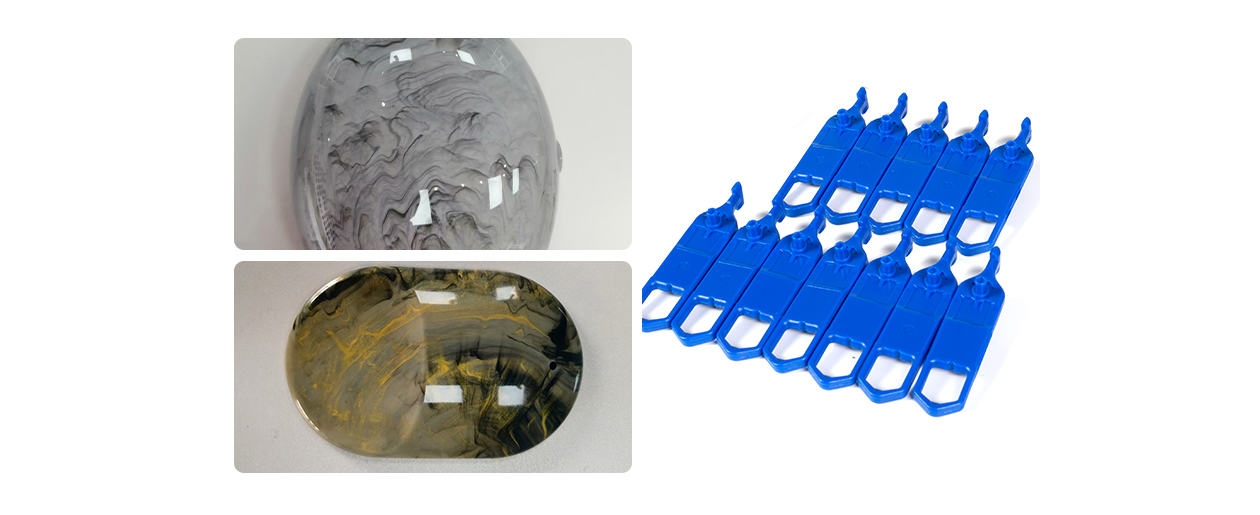
Injection molding plastics can be rigid, flexible, or combinations of multiple materials. This unmatched versatility is what makes custom plastic injection molding so popular and suitable for some of the most demanding industries in the world.
What is the process behind plastic injection molding?
The plastic injection molding company melts down plastic pellets then injects the liquid into a mold, where the material cools and assumes the form of the mold cavity. The process allows for high precision, tight tolerances, and excellent repeatability.
Why should I use a plastic injection molding service?
Injection molding is one of the most affordable ways to manufacture large quantities of parts, especially for bigger production runs. Even though designing and creating the mold can take time, after that, the process becomes very affordable and efficient.
Plastic injection molding can produce parts in a range of sizes, from bottle caps to large automotive panels, but it is best suited to thin-walled parts, because thick sections of molded plastic are more likely to deform as they cool down inside the mold.